
Minister of Livestock Development Commissions Facilities At NAPRI To Boosts Livestock Productivity
January 21, 2026𝐀𝐁𝐔 𝐕𝐂 𝐃𝐞𝐜𝐥𝐚𝐫𝐞𝐬 𝟐𝟎𝟐𝟔 𝐑𝐞𝐬𝐞𝐚𝐫𝐜𝐡 𝐅𝐚𝐢𝐫 𝐎𝐩𝐞𝐧, 𝐋𝐚𝐮𝐝𝐬 𝐋𝐢𝐯𝐞 𝐀𝐧𝐢𝐦𝐚𝐥 𝐈𝐧𝐧𝐨𝐯𝐚𝐭𝐢𝐨𝐧𝐬 𝐚𝐭 𝐍𝐀𝐏𝐑𝐈 𝐒𝐭𝐚𝐧𝐝
January 31, 2026NAPRI’s land survey and out‑grower push: science‑driven action for national feed security, NL‑GAS, and the Kampala vision
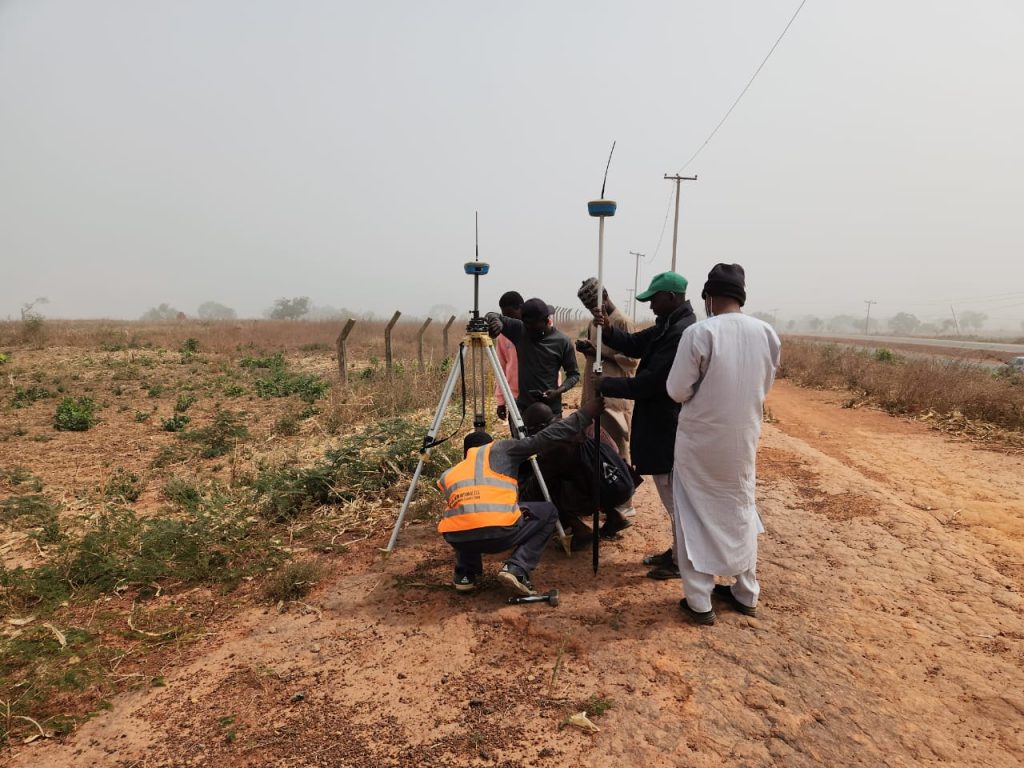
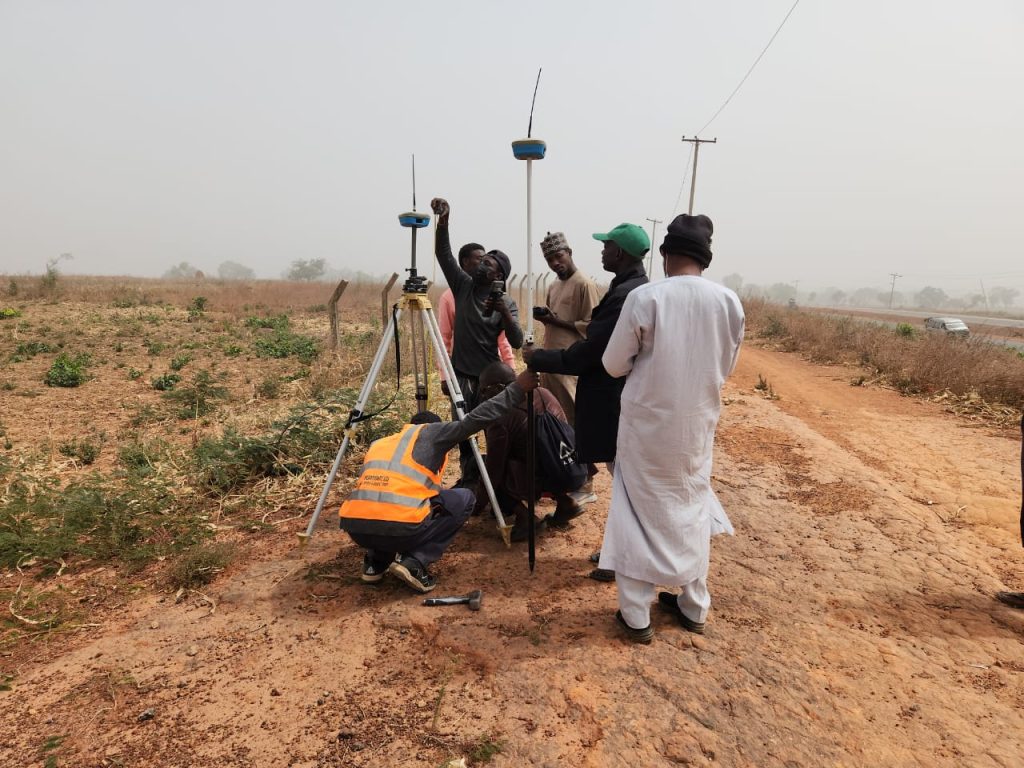
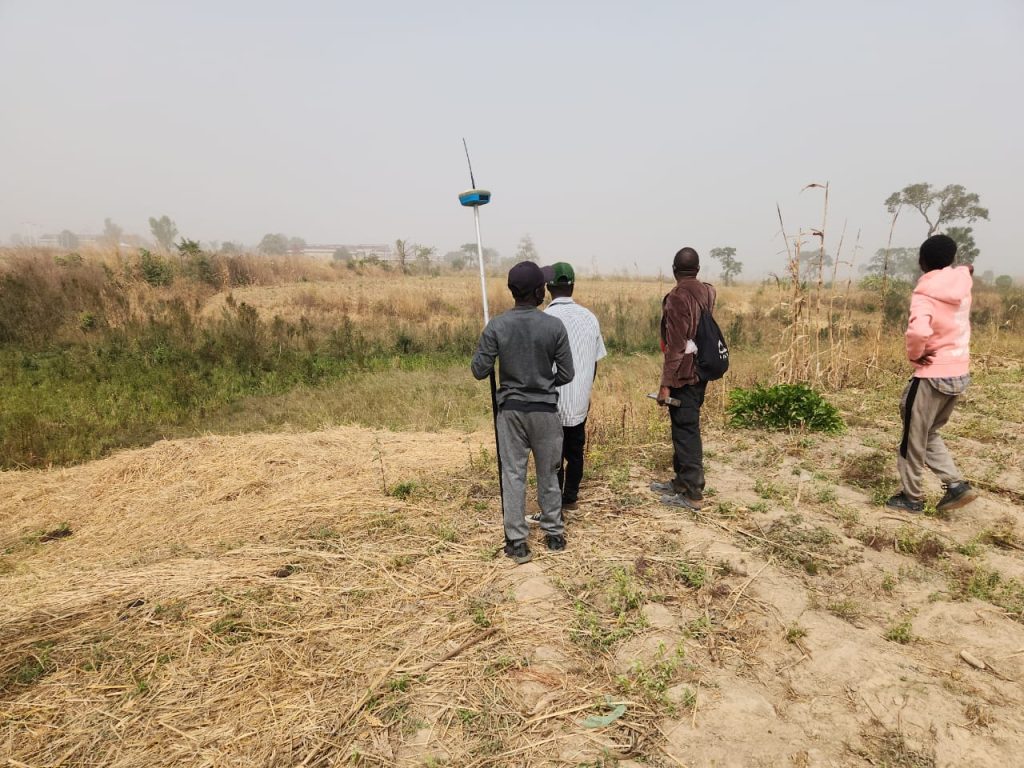
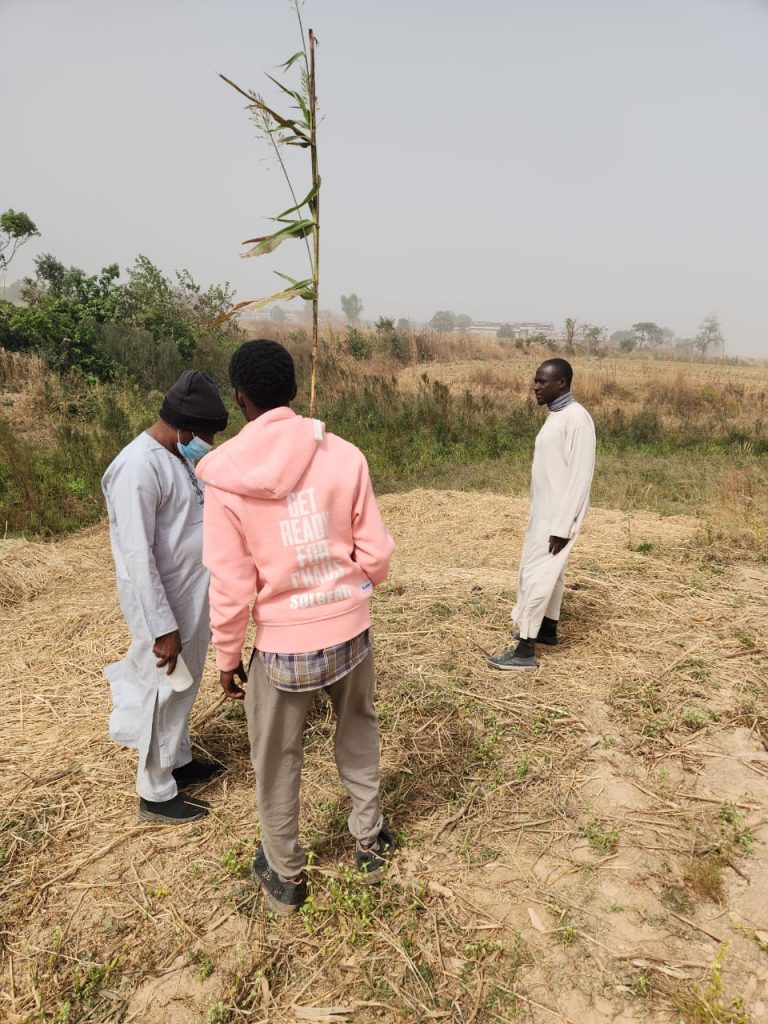
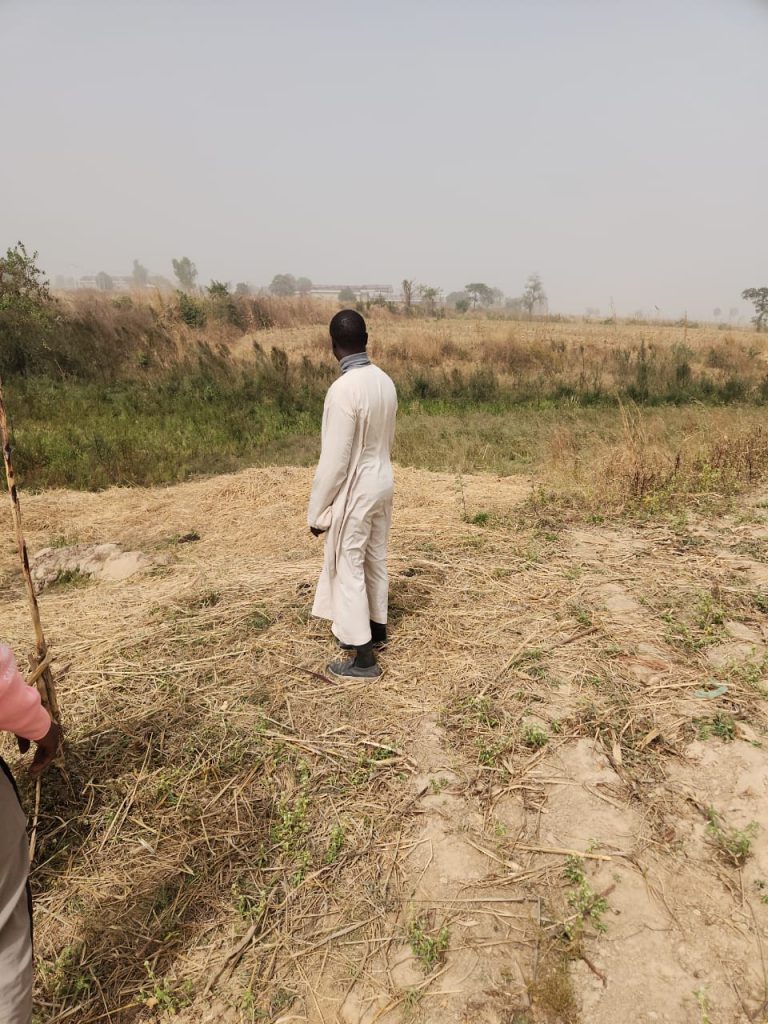
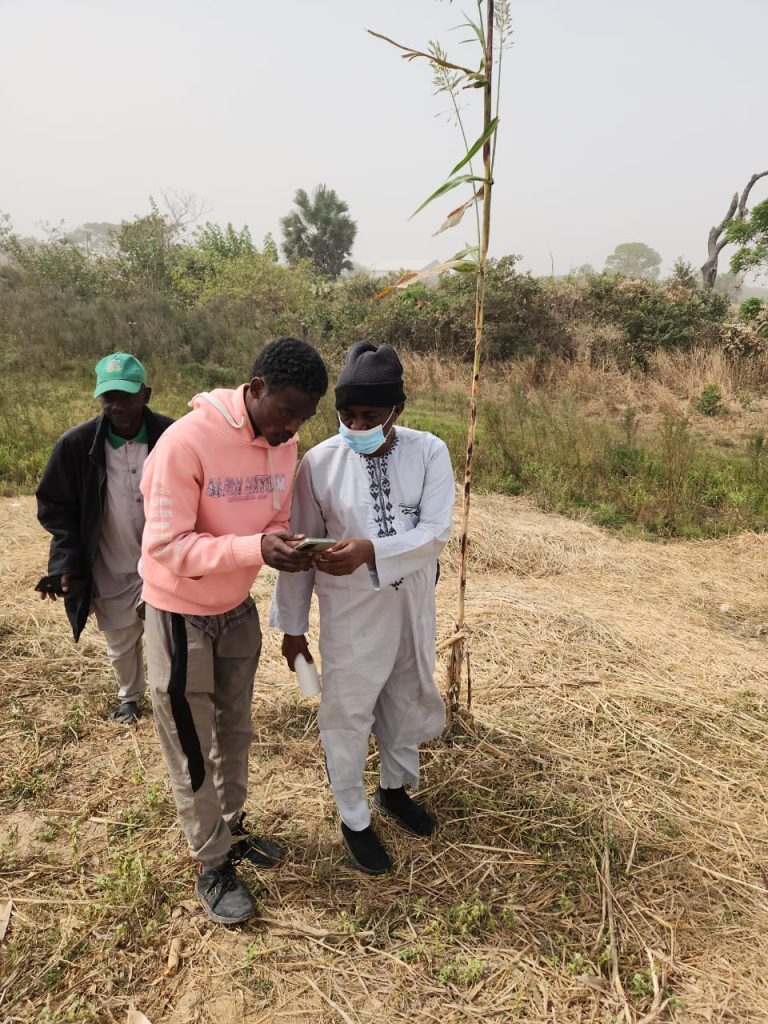
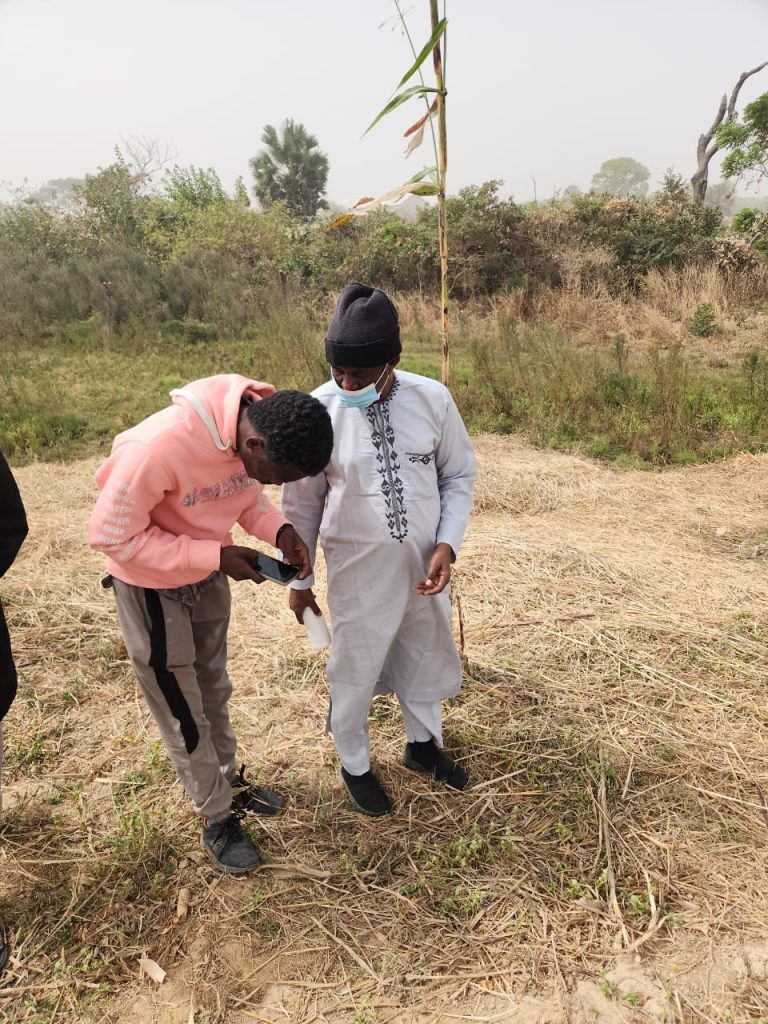
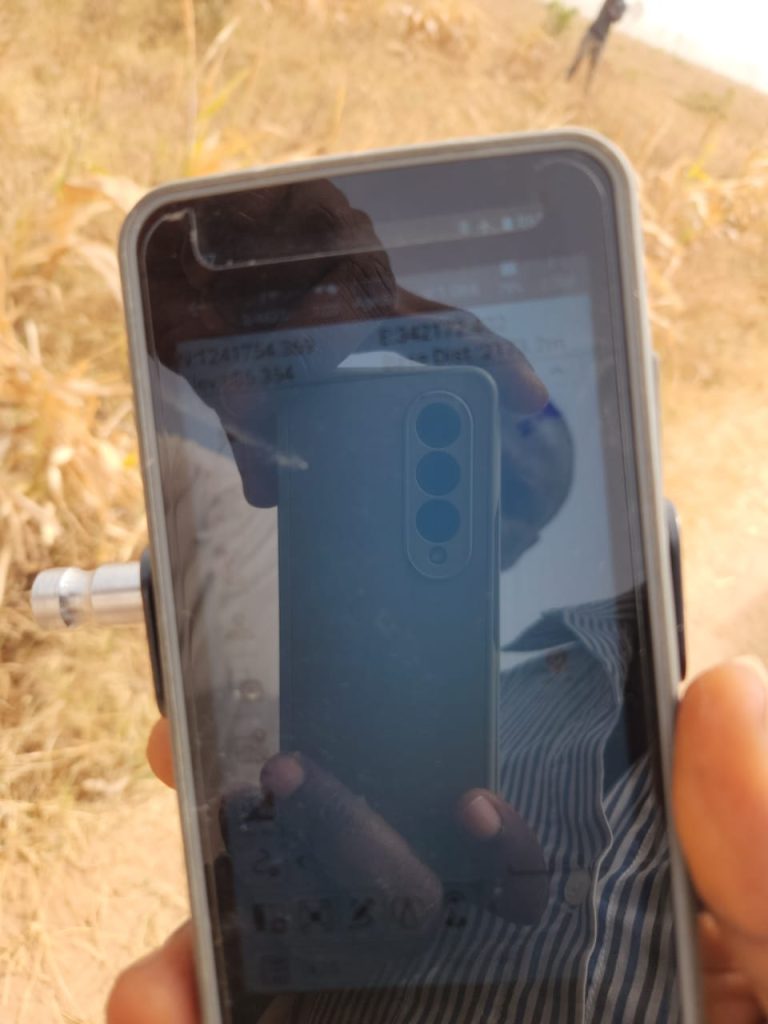
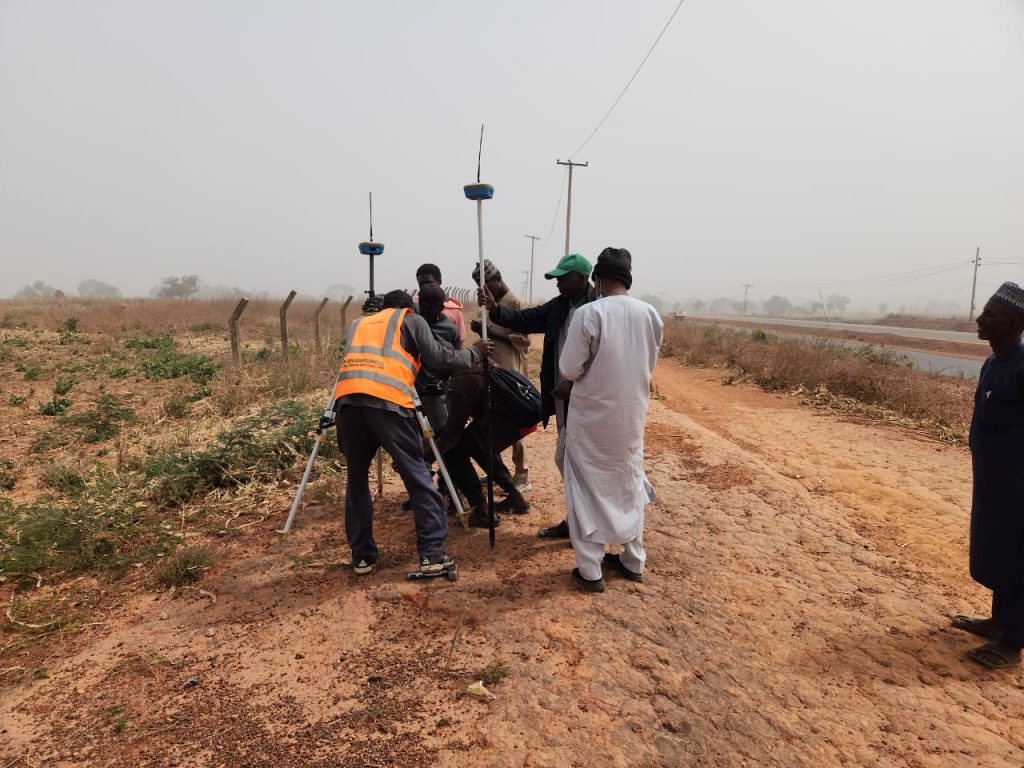
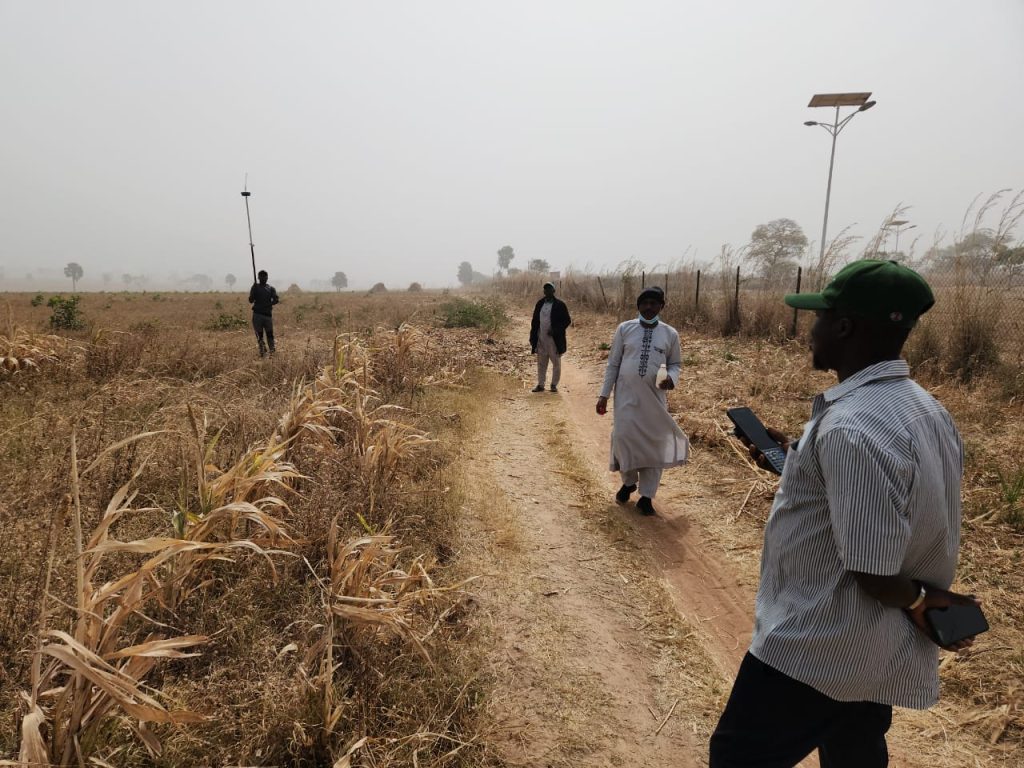
The National Animal Production Research Institute (NAPRI), ABU Zaria, is advancing a coordinated land‑survey and redesign exercise that is tightly aligned with its seed and forage out‑grower establishment, national feed security evidence, and the Federal Government’s livestock growth agenda.
Grounded in data: closing Nigeria’s feed gap
Recent evidence from the national feed inventory and balance work shows a clear supply shortfall for ruminant livestock at national scale. For 2024/2025, estimated feed demand was about 212 million tonnes of dry matter, while biomass available for feed was about 195 million tonnes, leaving a deficit of roughly 17 million tonnes.
This shortage is most acute in livestock‑dense northern zones, whereas some southern zones show surplus, highlighting uneven spatial dynamics and the urgent need to boost strategic feed production, mobility, and infrastructure.
NAPRI’s current land resurvey and redesign is therefore not just an internal governance exercise. It is a foundational step to expand productive rangelands, pasture paddocks, forage seed fields, and cropping plots so that the Institute can help close these documented gaps through research, production, and partnership with out‑growers.
Strategic land use to support NL‑GAS and national priorities
The survey and land redesign are being positioned to directly supply the seed and forage out‑grower programme, which aims to mobilize up to 400 hectares by 2026. This expands NAPRI’s practical capacity to produce and disseminate quality seeds, forages, grains, and pulses, and to partner with farmers and the private sector addressing both feed deficits and income opportunities for producers.
These actions reinforce Nigeria’s National Livestock Growth and Acceleration Strategy (NL‑GAS). NL‑GAS is a 10‑year roadmap launched in 2025, intended to transform the livestock sector into a modern, market‑oriented, climate‑resilient industry, with targets that include doubling herd size and expanding sector output by at least 100% by 2035.
Stakeholder documentation also notes plans to grow the livestock sector’s economic value from an estimated $32 billion to $74 billion, or even $91 billion, by 2035 underscoring the scale of transformation envisioned.
By aligning its land governance, forage seed systems, and production scaling with this national strategy, NAPRI is positioning its survey and out‑grower expansion as part of the structural shift needed to deliver NL‑GAS outcomes: more feed, higher productivity, and stronger value chains.
National footprint and land stewardship: headquarters plus outstations
At the Zaria headquarters, NAPRI is consolidating and redesigning roughly 1,200 hectares to support expanded rangelands, pasture paddocks, forage seed multiplication, and on‑station grain and pulse production for in‑house use. This strengthens the Institute’s integrity, land security, and capacity to demonstrate best practices in forage‑based systems.
This resurvey and redeployment of land use is mirrored across NAPRI’s outstations nationwide ensuring consistent land governance, productive use, and research reach. The outstations include:
- Gwada, Niger State
- Ubiaja, Edo State
- Oturkpo, Benue State
- Talata Mafara, Zamfara State
- Damaturu, Yobe State (newly established)
Each site will benefit from survey‑driven clarity on boundaries and optimal land use, enabling targeted forage and seed production, pasture management, and collaboration with local producers and institutions.
Linked to continental commitments: the Kampala vision (2026–2035)
NAPRI’s initiative also resonates with the CAADP Kampala Declaration, which commits African countries to accelerated agricultural growth, inclusive transformation, resilience, and accountability. The Kampala Declaration’s commitments include ending hunger by 2035) through doubling productivity, improving access to quality inputs, strengthening early warning systems, and enhancing resilience of production systems goals that overlap closely with NAPRI’s current land and feed actions.
By improving land stewardship, expanding forage and seed supply, and directly addressing spatial feed deficits, NAPRI is contributing to the regional vision of transformed, resilient, and inclusive agriculture building on data‑driven analysis, partnerships, and targeted interventions.
