𝐒𝐎𝐍 𝐠𝐫𝐚𝐧𝐭𝐬 𝐨𝐟𝐟𝐢𝐜𝐢𝐚𝐥 𝐜𝐞𝐫𝐭𝐢𝐟𝐢𝐜𝐚𝐭𝐢𝐨𝐧 𝐟𝐨𝐫 𝐍𝐀𝐏𝐑𝐈 𝐘𝐨𝐠𝐡𝐮𝐫𝐭
June 4, 2026To mark World Milk Day 2026, the Federal Government has announced a deliberate strategy to expand women’s participation across Nigeria’s livestock value chains. This initiative aims to transform the domestic dairy industry, accelerate economic opportunities for women and youth, and strengthen national food security.
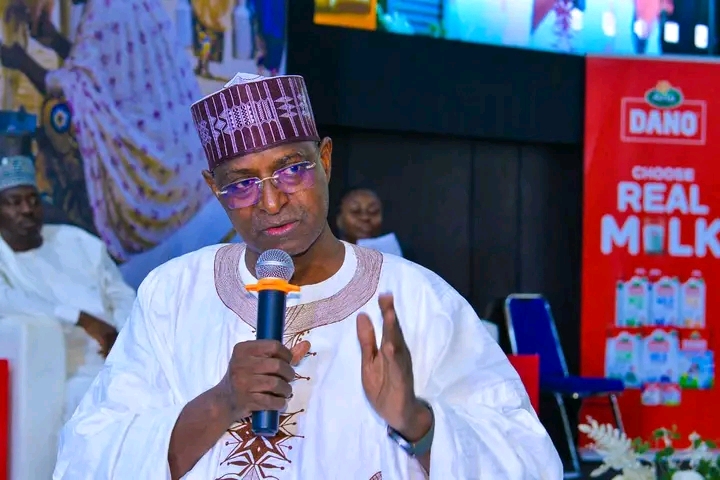
The Minister of Livestock Development, Idi Mukhtar Maiha, disclosed the plan during his keynote address at the World Milk Day Conference in Abuja, which was held under the theme, “Celebrating Women’s Dairy Farmers: Promoting Fresh Milk Consumption for a Healthy Nation.”
Minister Maiha emphasized that no meaningful transformation of the dairy sector can occur without the inclusion and empowerment of women, who remain central to milk production, processing, storage, and marketing. To achieve this, the ministry is advancing the Women and Youth in Livestock Empowerment Initiative, a program designed to create economic opportunities for over 37,000 women and youth through skills development, enterprise incubation, and market integration. This “feminization” strategy will expand beyond dairy to encompass poultry, piggery, rabbitry, beekeeping, beef production, and fodder development.
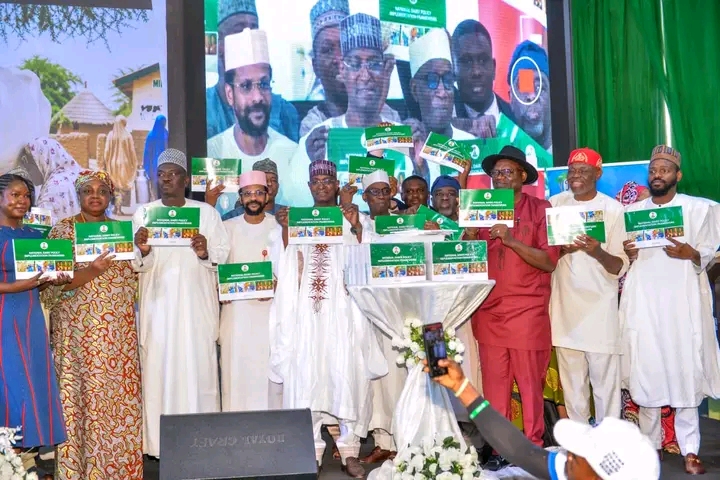
To provide a roadmap for these goals, the Minister unveiled the National Dairy Policy Implementation Framework. This framework is designed to accelerate local milk production, attract investment, and establish women-led milk aggregation and processing cooperatives to improve access to processors and off-takers. Maiha stressed that improving productivity requires more than policy statements; it demands deliberate investment in infrastructure, financing, technology, and inclusion within decision-making structures.
The government’s vision received strong backing from various officials at the event. Dr. Chinyere Ijeoma Akujobi, the Permanent Secretary of the Ministry, noted that the dairy sector represents a strategic economic opportunity capable of generating employment and improving household incomes. Similarly, Idris Ajimobi, Senior Special Assistant to the President on Livestock Development, commended the ministry’s efforts and emphasized that transforming the sector must prioritize increased local milk production and the consumption of fresh, local dairy products.
Industry stakeholders also weighed in on the framework’s execution. M.D. Abubakar, National President of the Commercial Dairy Ranchers Association of Nigeria (CODARAN), warned that any program failing to achieve measurable import substitution amounts to “efforts without results,” calling for sustained collaboration to build a competitive value chain. From the private sector, Mr. François Gillet, CEO of Promasidor Nigeria, reaffirmed his company’s commitment to sustainable local production, noting that their 500-hectare dairy farm already supports around 1,000 jobs and produces fresh milk daily.
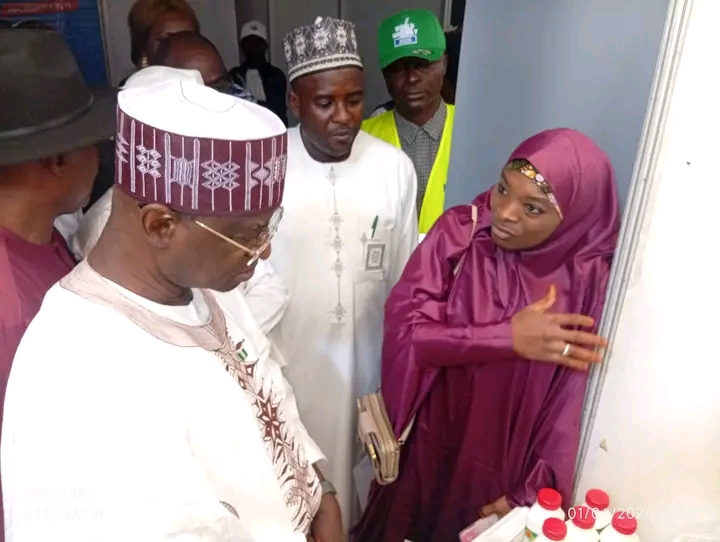
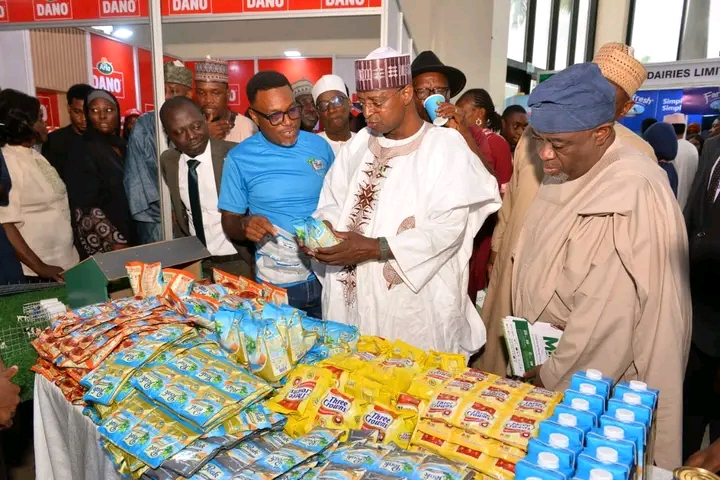
Additionally, Dr. Adiya Ode of Propcom+ and Ibrahim Faskari Kabir of the Nigeria Agribusiness Group (NABG) applauded the focus on women as the backbone of rural dairy production. They urged stakeholders to address critical structural issues such as infrastructure development, feed availability, and genetic improvement to fully unlock the industry’s potential. The event recorded strong stakeholder participation, with representatives drawn from the Federal Ministries of Agriculture and Food Security; Industry, Trade and Investment; the National Animal Production Research Institute (NAPRI); the National Biotechnology Research and Development Agency; Sahel Consulting; Nestlé Nigeria; USDA Foreign Agricultural Service (FAS) Lagos; the Presidential Livestock Reforms Implementation Committee, and exhibitors among others.